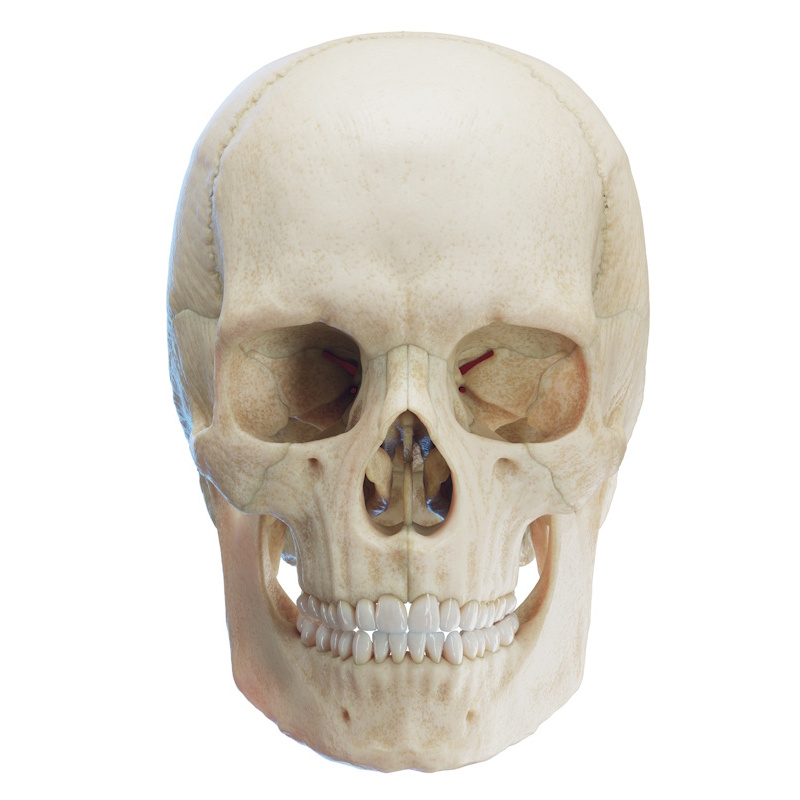

Medication-Related Osteonecrosis of the Jaw (MRONJ) is a relatively recently identified condition, first described by Marx in 2003. It is associated with specific pharmacological agents and can severely impair patient quality of life.
Definition
According to the American Association of Oral and Maxillofacial Surgeons (AAOMS), MRONJ is defined as exposed necrotic bone in the maxillofacial region that fails to heal within 8 weeks of diagnosis despite appropriate medical care, occurring in patients with a history of current or prior antiresorptive or antiangiogenic therapy and no history of radiation therapy to the jaws.
Associated Primary Conditions
MRONJ primarily occurs in conditions requiring antiresorptive therapy as a primary or adjunctive treatment:
- Osteoporosis
- Bone metastases (most commonly from breast or prostate carcinoma)
- Multiple myeloma
- Conditions requiring antiangiogenic therapy
- Rheumatological diseases (very rare)
Other Associated Manifestations
Atypical femoral fractures and necrosis of the external auditory canal can also occur in this patient population.
Causative Medications
Several drug classes are implicated, most notably bisphosphonates, monoclonal antibodies, and antiangiogenic agents.
|
Drug Name |
Brand Name |
Manufacturer |
Indication |
Class |
|
Alendronate |
Fosamax® |
Merck |
Osteoporosis |
Bisphosphonate |
|
Risedronate |
Actonel® |
Warner Chilcott |
Osteoporosis |
Bisphosphonate |
|
Ibandronate |
Boniva®, Bonviva® |
Genentech, Roche |
Osteoporosis |
Bisphosphonate |
|
Pamidronate |
Aredia® |
Novartis |
Bone metastases |
Bisphosphonate |
|
Zoledronate |
Zometa®, Reclast® |
Novartis |
Bone metastases, Osteoporosis |
Bisphosphonate |
|
Denosumab |
Xgeva®, Prolia® |
Amgen |
Bone metastases, Osteoporosis |
Monoclonal antibody |
|
Sunitinib |
Sutent® |
Pfizer |
GIST, RCC, pNET |
Tyrosine kinase inhibitor |
|
Bevacizumab |
Avastin® |
Genentech |
mCRC, NSCLC, Glioblastoma, mRCC |
Antiangiogenic |
Risk Factors
- Smoking
- Diabetes mellitus
- Anemia
- Chemotherapy
- Active malignancy
- Corticosteroid therapy
- Autoimmune disease
- Immunocompromised status
- Dehydration
- Obesity
Common Triggers
- Tooth extraction (62% of cases): Widely recognized by dental clinicians as the primary initiating event.
- Traumatic occlusion: While not conclusively proven as a direct cause, occlusal trauma accelerates local bone turnover, thereby increasing risk.
- Periodontal disease (gingivitis, periodontitis): Causes chronic inflammation; regular professional dental prophylaxis is essential for patients on antiresorptive therapy and must be performed under prophylactic antibiotic cover.
- Dentoalveolar surgery: Jawbone surgery poses a direct risk. The further the surgical site is from the alveolar crest (i.e., deeper into the maxilla or mandible), the lower the risk of developing necrosis.
- Spontaneous onset (~25% of cases): Occurs without an identifiable local trigger.
- Chronic mechanical trauma: Most commonly from removable prostheses. Patients on antiresorptive therapy MUST discontinue wearing dentures until an oral healthcare provider confirms there are no mucosal pressure spots. Chronic friction leads to mucosal breakdown, bone exposure, and subsequent necrosis.
- Exostoses: Benign bony overgrowths (most commonly lingual mandibles, palatal tori, or buccal maxilla). The overlying mucosa is thin and easily traumatized, predisposing the site to necrosis.